Rice and Peas: The Heart of Every Jamaican Sunday Dinner
Phil · 2024-04-20
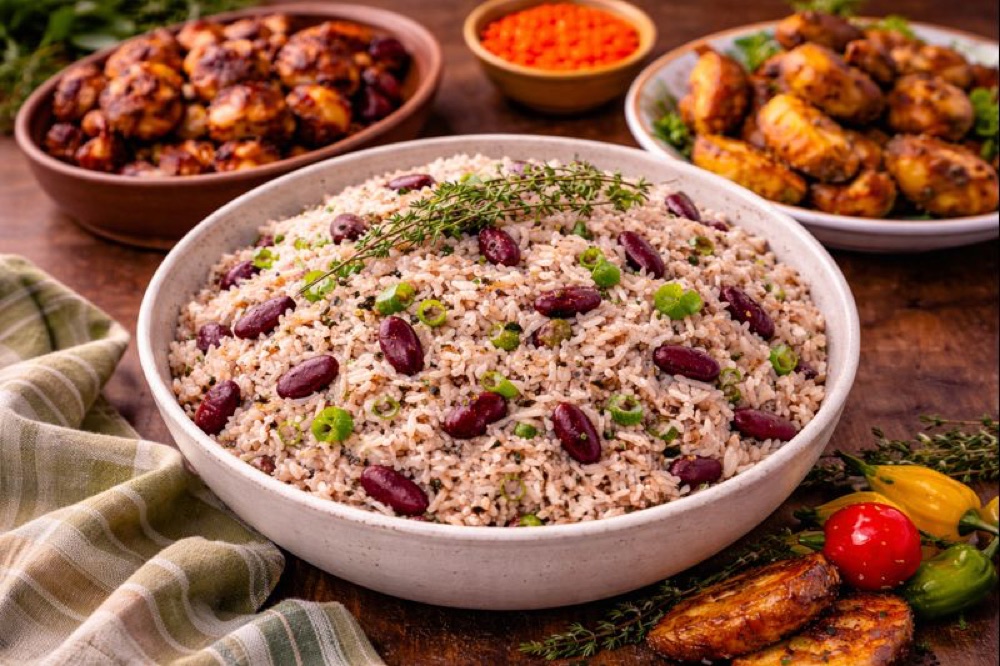
Sunday Afternoon and the Coconut Milk Is Already Simmering
The beans have been soaking since last night. The coconut milk is warming on the stove. Thyme, garlic, and scallion sit chopped on the counter. Back home in Jamaica, this scene means one thing. Sunday dinner is on the way.
Rice and peas (Jamaican rice cooked with kidney beans and coconut milk) is the foundation of every Jamaican Sunday table. It is not a side dish. It is the anchor. Everything else on the plate builds around it.
The Name Is Misleading
If you are new to Jamaican food, the name will confuse you. Rice and peas does not use green peas. It uses red kidney beans. In Jamaica, kidney beans are called peas. That is just how it is. Do not look for anything green in this dish.
Some cooks use gungo peas (pigeon peas) instead of kidney beans, especially around Christmas time. But the classic Sunday version calls for red kidney beans. Always.
What Goes Into It
The ingredient list is short. The technique is everything.
Kidney beans get soaked overnight or boiled until tender. Some cooks use canned beans. Purists insist on dried. Either way, the beans need to be soft before the rice goes in.
Coconut milk is the soul of this dish. Real coconut milk, not the light version. The fat in the coconut milk coats every grain of rice and gives the dish its creamy richness. Without real coconut milk, you do not have rice and peas. You have seasoned rice.
Thyme goes in as whole sprigs. Not dried, not ground. Fresh thyme gives a warm, herbal flavor that dried thyme cannot match.
Scallion gets chopped and added early. It cooks down into the liquid and becomes part of the base flavor.
A whole scotch bonnet pepper (a fiery Caribbean pepper essential to Jamaican flavor) goes into the pot. Whole, not chopped. The pepper sits in the liquid and releases gentle heat without overwhelming the dish. If the pepper bursts, the rice becomes dangerously spicy. Handle with care.
Garlic gets minced or crushed. A few cloves are enough. It blends into the coconut milk and deepens the flavor.
Pimento (allspice, a key spice in Jamaican cooking) adds a warm, aromatic note. Some cooks use whole pimento berries. Some use ground. Both work. The flavor is subtle but essential.
How It Comes Together
The beans cook first in the coconut milk with the seasonings. This is where the flavor builds. The liquid reduces slightly and becomes fragrant and thick. Then the rice goes in. The pot gets covered. The heat drops low.
The rice absorbs the coconut milk slowly. Every grain takes on the flavor of the beans, the thyme, the garlic, and the pepper. When it is done, the rice should be fluffy but rich. Each grain should have a slight coconut sheen. The beans should be scattered throughout, soft and creamy.
The Sunday Dinner Tradition
Jamaican Sunday dinner is not a casual meal. It is a weekly event. Families gather. Grandmothers cook. The kitchen runs from morning to early afternoon.
Rice and peas is always the first thing made. It takes the longest and sets the tone. The meat comes next. Oxtail (slow-braised beef tail), curry goat (bone-in goat simmered in Jamaican curry spices), or brown stew chicken. Sometimes all three. Fried plantain (sweet cooking banana, sliced and fried golden) goes on the side.
Everyone eats together. The food is served generous. Leftovers go home with whoever asks. This tradition holds whether you are in Kingston, Montego Bay, or a Jamaican household in Brooklyn.
How to Spot the Real Thing at a Restaurant
Good rice and peas has a few tells. The color should be a warm tan or light brown from the coconut milk. If the rice is white, it was not cooked properly.
You should taste coconut in every bite. Not overwhelming, but present. The beans should be soft and plentiful. The rice should hold together without being sticky or mushy.
If the rice tastes plain and the beans seem like an afterthought, that restaurant is cutting corners. Real rice and peas takes time and real coconut milk. There are no shortcuts.
Frequently Asked Questions
Why is it called rice and peas if there are no peas? In Jamaica, kidney beans are called peas. The dish uses red kidney beans, not green peas. It is just the Jamaican name for it. If you order rice and peas at a Jamaican restaurant, expect kidney beans cooked in coconut milk.
What is the difference between rice and peas and regular rice and beans? The coconut milk is the biggest difference. Jamaican rice and peas is cooked in coconut milk with thyme, scallion, garlic, and a whole scotch bonnet pepper. This gives it a richer, creamier flavor than standard rice and beans.
Can rice and peas be made without coconut milk? Technically yes, but it would not be authentic. Coconut milk is what makes rice and peas taste like rice and peas. Without it, you just have seasoned rice with beans.
Is rice and peas served every Sunday in Jamaica? For most Jamaican families, yes. Rice and peas on Sunday is one of the strongest food traditions in Jamaican culture. It is the foundation of Sunday dinner and has been for generations.
What meat goes best with rice and peas? Oxtail, curry goat, and brown stew chicken are the most traditional pairings. Any Jamaican main dish works well with rice and peas. It is designed to be a base that complements rich, well-seasoned meat.
Can I make rice and peas at home? Yes. You need kidney beans, coconut milk, rice, thyme, scallion, garlic, a whole scotch bonnet pepper, and pimento (allspice). Soak the beans overnight, cook them in coconut milk with seasonings, add the rice, and let it steam on low heat until done.
Ready to find a restaurant that makes rice and peas the right way? Search your city or ZIP code on JamaicanFoodFinder.com and find authentic Jamaican food near you. It takes 30 seconds.