History of Oxtail in Jamaican Cuisine: From Scraps to Star of the Plate
Phil · 2024-03-10
The Pot Has Been on the Stove Since Last Night
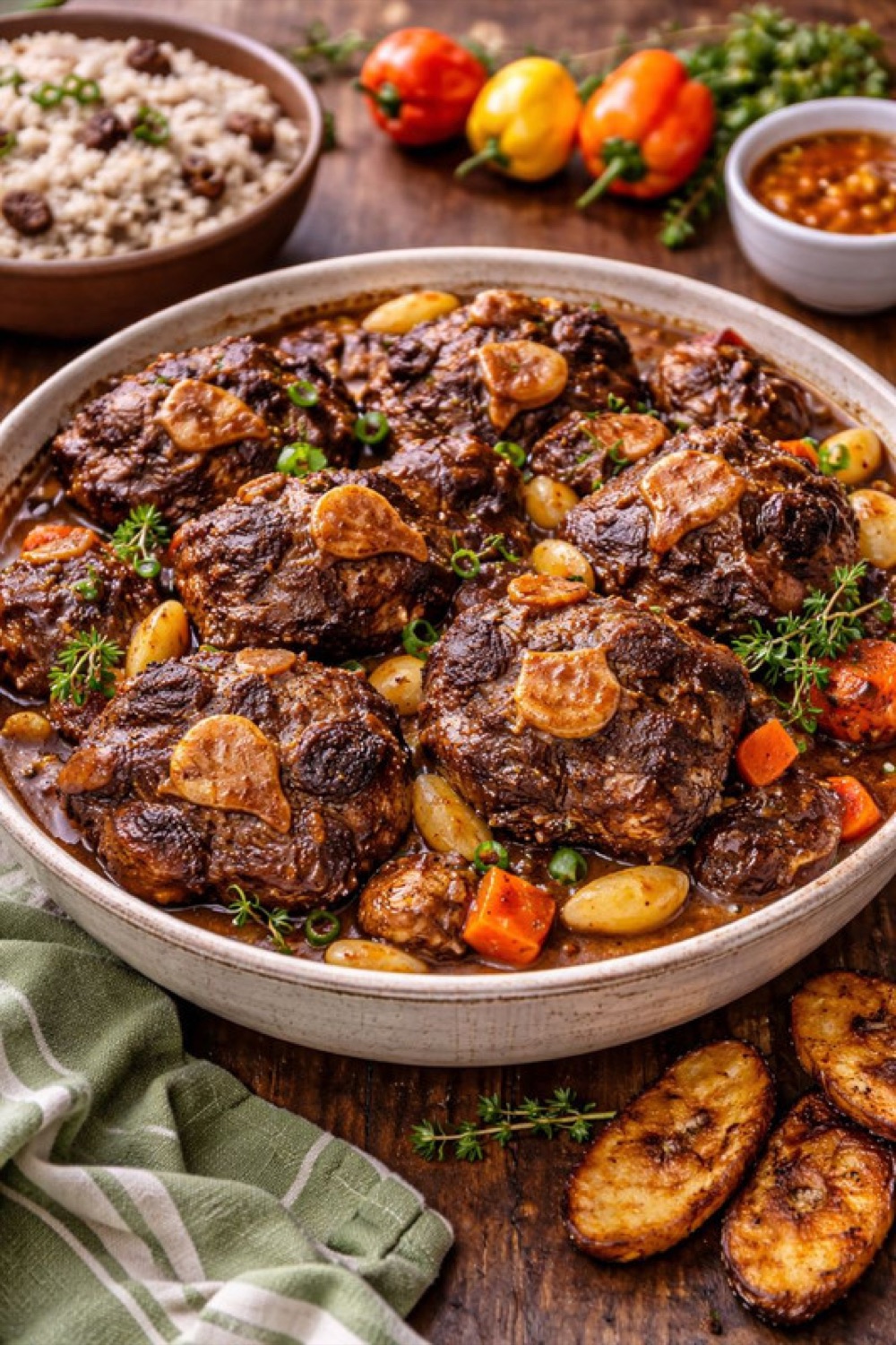
You walk into a Jamaican kitchen and the smell is thick. Garlic, thyme, and something rich and deep has been simmering for hours. The lid comes off and you see it. Dark brown gravy. Tender pieces of bone-in meat. Butter beans swimming in the sauce. This is oxtail (slow-braised beef tail, one of Jamaica's most beloved dishes), and it has been cooking since last night.
Growing up in St. Ann parish, oxtail was the dish that meant something special was happening. It took too long and cost too much for a regular Tuesday. When oxtail was on the stove, you paid attention.
From Colonial Scraps to Jamaican Star
The history of oxtail in Jamaica starts with colonialism. The British controlled the island and kept the prime cuts of beef for themselves. Steaks, roasts, and tenderloins went to the plantation owners. The parts they did not want went to the enslaved people. Oxtail was one of those parts.
What the British saw as waste, Jamaicans transformed into treasure. Enslaved cooks took the bony, tough tail of the cow and figured out how to make it extraordinary. The secret was time. Low heat. Hours of patience. Proper seasoning.
This is a pattern that runs through all of Jamaican food history. The worst ingredients became the best dishes. Oxtail is the most powerful example.
The Braising Method
Real Jamaican oxtail is not a quick meal. It cannot be rushed. The preparation starts the night before.
Season overnight. The oxtail pieces get rubbed with a mix of soy sauce, garlic, thyme, scallion, pimento (allspice, a key spice in Jamaican cooking), black pepper, and browning sauce. Some cooks add ketchup for sweetness. The meat sits in this seasoning overnight so the flavor soaks into every fiber.
Brown in a hot pot. The next day, the oxtail goes into a scorching hot Dutch pot with oil. Each piece gets seared on all sides until dark and caramelized. This step is critical. The browning creates a deep, savory crust that flavors the entire gravy.
Braise for 3 to 5 hours. Water goes into the pot. The lid goes on. The heat drops low. Then you wait. Three hours minimum. Five hours for perfection. The collagen in the tail breaks down slowly. The meat softens. The gravy thickens. Butter beans (large, creamy white beans) go in during the last hour.
When it is done, the meat should slide off the bone with almost no effort. The gravy should be thick, dark, and rich enough to flavor an entire plate of rice and peas (kidney beans cooked in coconut milk with thyme and garlic).
Why Oxtail Is Expensive Now
Here is the reality that surprises most people. Oxtail used to be cheap. It was the cut nobody wanted. That is not the case anymore.
One tail per cow. Every cow only has one tail. That limits the supply no matter how many cattle are processed. You cannot get more oxtail without more cows.
Global demand. Jamaicans are not the only ones who figured out how good oxtail is. Korean, Chinese, Italian, and Soul Food traditions all use oxtail. The global demand has pushed prices up dramatically over the past two decades.
Restaurant markup. Because the raw ingredient is expensive and the cooking time is long, restaurants charge a premium. Oxtail is almost always the most expensive dish on a Jamaican restaurant menu. Prices of 20 to 30 dollars per plate are common. In some cities, it goes higher.
Is it worth it? Every single time. The depth of flavor, the tenderness of the meat, and the richness of the gravy make oxtail one of the greatest comfort foods on earth.
What Good Oxtail Looks Like
You can tell a lot about a Jamaican restaurant by its oxtail. Here is what to look for.
The meat falls off the bone. If you have to fight the meat, it was not cooked long enough. Real oxtail is so tender that a fork is all you need.
The gravy is thick and dark. Not watery. Not light brown. The gravy should coat the back of a spoon. It should have a deep, almost black-brown color from the browning sauce and long cooking time.
Butter beans are present. Most authentic Jamaican oxtail includes butter beans. They absorb the gravy and add a creamy texture. If the plate has no beans, ask about it.
The seasoning is layered. You should taste garlic, thyme, allspice, and a hint of sweetness. The flavor should be complex, not one-note. If it just tastes like beef in brown liquid, the seasoning was not done right.
The Cultural Weight of Oxtail
Oxtail is more than dinner. It is a symbol of what Jamaican cooking does best. It takes something overlooked, applies patience and skill, and creates something unforgettable.
Every plate of oxtail carries that history. From the colonial kitchens where enslaved cooks had no choice but to make do, to the Sunday dinner tables where families gather around the pot, oxtail tells a story of transformation.
It went from scraps to the star of the plate. That is the story of Jamaican food itself.
Frequently Asked Questions
Why is Jamaican oxtail so expensive at restaurants? Oxtail is expensive because each cow only has one tail, which limits supply. Global demand from multiple cuisines has increased the price. The long cooking time of 3 to 5 hours also adds to labor costs. All of this makes oxtail the priciest dish on most Jamaican menus.
How long does it take to cook Jamaican oxtail? Proper Jamaican oxtail takes 3 to 5 hours of braising on low heat. The meat needs to be seasoned overnight before cooking. Rushing the process results in tough meat and thin gravy. Patience is the most important ingredient.
What do you eat with Jamaican oxtail? Oxtail is traditionally served with rice and peas (kidney beans cooked in coconut milk). Fried plantain (sweet cooking banana, sliced and fried golden) is a common side. Some people add steamed cabbage or a simple garden salad.
What makes Jamaican oxtail different from other oxtail recipes? Jamaican oxtail uses a specific blend of seasonings including browning sauce, soy sauce, pimento (allspice), thyme, and scotch bonnet pepper. The overnight seasoning and long braising time create a uniquely deep, savory gravy. Butter beans are also a signature addition.
Is oxtail actually from an ox? Today, oxtail comes from regular cattle, not oxen. The name is a holdover from when working oxen were slaughtered and every part was used. Modern oxtail is simply the tail of a cow, cut into cross-sections for cooking.
Can I make Jamaican oxtail at home? Yes, but plan ahead. Season the meat overnight and allow 3 to 5 hours for braising. Use a heavy pot with a tight lid. Do not skip the browning step. Add butter beans in the last hour. The result is worth the effort.
Ready to find a restaurant that slow-braises their oxtail the right way? Search your city or ZIP code on JamaicanFoodFinder.com and find authentic Jamaican food near you. It takes 30 seconds.