Why Food Is Everything in Jamaican Culture
Phil · 2026-04-15
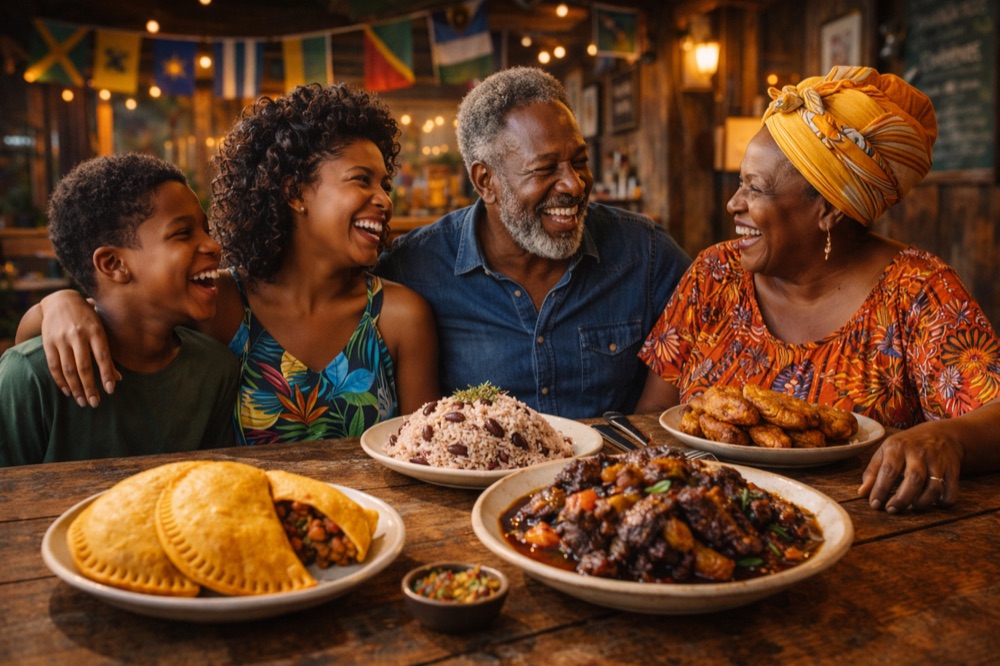
The Smell That Pulls You Home
The coconut milk hits the rice at about 10 a.m. on Sunday. By noon, the whole house smells like thyme, scotch bonnet pepper, and slow-cooked meat. Back home in St. Ann, that smell meant one thing. Family is coming. Dinner is serious.
If you grew up Jamaican, you already know. Food is not just something we eat. It is how we love people, how we mark time, and how we carry culture across oceans.
Sunday Dinner Is Sacred
Every Jamaican family has their version. But the essentials never change.
Rice and peas (red kidney beans cooked in coconut milk with thyme and allspice) is the foundation. Always. Then you choose your meat. Oxtail (slow-braised beef tail in a thick brown gravy). Curry goat (bone-in goat simmered in Caribbean curry seasoning). Brown stew chicken (pan-fried, then braised in a savory tomato-based sauce). Most families make at least two.
Fried plantains (sweet, ripe cooking bananas sliced and fried golden) go on the side. Maybe some steamed cabbage. A cold glass of sorrel (a tart, ruby-red drink made from hibiscus flowers and spices) if the season is right.
This is not a casual meal. Sunday dinner is a weekly reunion. Grandmothers start cooking before church. Kids set the table. Everyone eats together. The food says what sometimes goes unsaid. You belong here.
Food at Every Celebration
Jamaican milestones are defined by what gets cooked.
Weddings and parties mean curry goat. A proper Jamaican wedding without a massive pot of curry goat is almost unheard of. The men usually handle the outdoor fire and the seasoning. It is a ritual in itself.
Nine Night is the traditional gathering held over several nights after someone passes. Mourners come together with food, music, and stories. Mannish water (a spicy goat head soup believed to give strength) is the signature dish. Fried fish, hard dough bread (a dense, slightly sweet Jamaican white bread), and rum punch fill the tables.
Christmas brings sorrel drink, Jamaican fruit cake (a dark, rum-soaked cake packed with dried fruits and spices), and gungo peas (pigeon peas) soup. These flavors only come once a year, which makes them feel like home distilled into a single week.
The History in Every Bite
Jamaican food is a living record of the island's history. Every influence left a permanent mark on the plate.
The Taino people, Jamaica's original inhabitants, gave us cassava (a starchy root vegetable), barbecue techniques, and the practice of smoking meat over pimento (allspice) wood. Jerk cooking traces directly back to these methods.
West African traditions arrived through the transatlantic slave trade. Ackee (a creamy, yellow fruit that cooks like scrambled eggs), okra, callaloo (leafy green stew), and one-pot cooking all have African roots. These techniques turned scarce ingredients into deeply flavorful meals.
British colonial influence shaped Jamaican baking. Patties, hard dough bread, and Easter bun all have British pastry DNA, transformed with Jamaican spice and technique.
Indian indentured laborers brought curry powder, roti (a thin, flaky flatbread), and the tradition of slow-cooked curried meats. Curry goat is the direct result.
Chinese immigrants contributed stir-fry methods, soy sauce, and the fusion style you still see in Jamaican-Chinese restaurants across the island. If you have ever had Jamaican chow mein, you have tasted this influence.
No single origin explains this food. That is exactly what makes it powerful.
The Diaspora Kitchen
Jamaicans brought everything with them when they left the island. The seasonings. The techniques. The Sunday dinner schedule.
Today, Jamaican restaurants in cities like New York, Miami, Atlanta, and Houston are more than places to eat. They are cultural anchors. A spot in Flatbush, Brooklyn can feel like a kitchen in Kingston. A jerk stand in Southwest Atlanta can bring you right back to a roadside grill in Portland parish.
I moved to the Atlanta area years ago. The first thing I looked for was a Jamaican restaurant that tasted real. Not watered down. Not adjusted for a different palate. Real seasoning, real portions, real technique. Finding that spot felt like finding a piece of home.
That is what these restaurants do for the nearly 800,000 Jamaican Americans living across the United States. They keep the connection alive.
Why It Matters Now
Younger generations are rediscovering these food traditions. Social media has helped. But the real preservation happens in kitchens, at family tables, and in the small restaurants that refuse to cut corners.
Jamaican food culture is not a trend. It is a centuries-old system of flavor, memory, and identity. Every plate tells that story.
Frequently Asked Questions
What is a traditional Jamaican Sunday dinner?
A traditional Jamaican Sunday dinner centers on rice and peas cooked in coconut milk, paired with a main meat like oxtail, curry goat, or brown stew chicken. Fried plantains and steamed vegetables round out the plate. It is a weekly family gathering and one of the most important food traditions in Jamaican culture.
Why is food so important in Jamaican culture?
Food in Jamaican culture serves as a way to express love, mark celebrations, honor the dead, and maintain cultural identity. Every major life event has a signature dish or meal. For the diaspora, cooking and eating Jamaican food is a primary way to stay connected to heritage.
What food is served at a Jamaican Nine Night?
Nine Night gatherings traditionally feature mannish water (goat head soup), fried fish, hard dough bread, and rum punch. The food is meant to sustain mourners during the multi-night vigil and bring the community together in remembrance.
What cultures influenced Jamaican food?
Jamaican cuisine was shaped by Taino, West African, British, Indian, and Chinese influences over several centuries. Each group contributed cooking techniques, ingredients, and flavor profiles that blended into what we know as Jamaican food today.
Where can I find authentic Jamaican restaurants in the US?
Use [JamaicanFoodFinder.com](https://www.jamaicanfoodfinder.com) to search for authentic Jamaican restaurants in your city. The directory covers spots across Atlanta, Miami, New York, Houston, and dozens of other cities. You can filter by dish, read reviews, and find the real thing near you.
---
Ready to find the flavors that raised you? Search your city on [JamaicanFoodFinder.com](https://www.jamaicanfoodfinder.com) and discover Jamaican restaurants serving Sunday dinner the way it is supposed to taste.