Is Jamaican Food Spicy? What to Expect and How to Handle the Heat
Phil · 2026-04-15
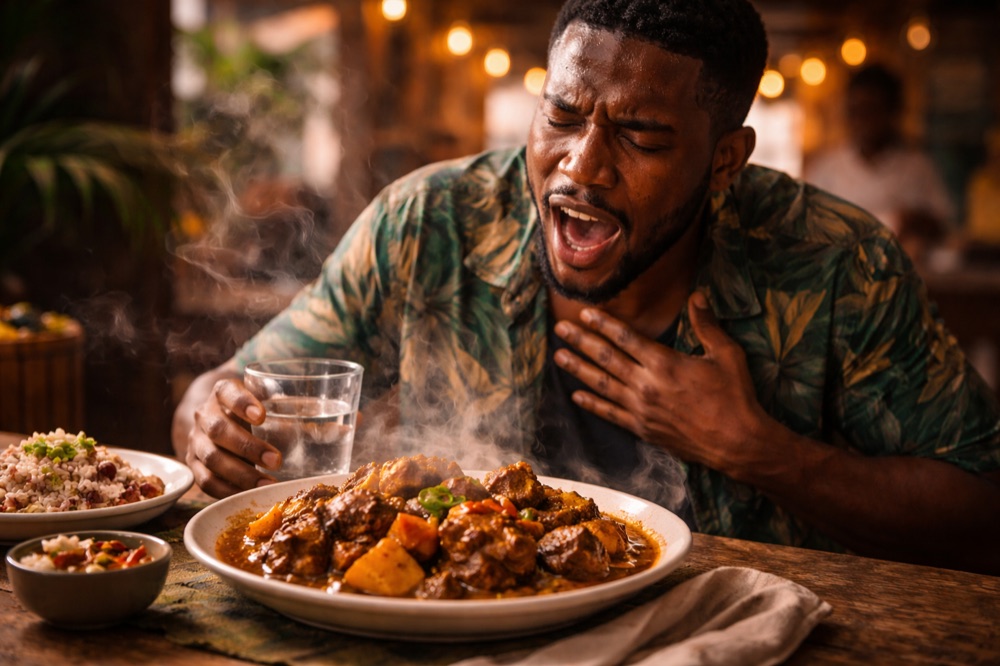
Your Eyes Are Watering and You Love It
The first bite of real jerk chicken stops you mid-sentence. The smoke comes first. Then a warm, aromatic wave of allspice and thyme. Then, about three seconds later, the scotch bonnet pepper arrives. Your lips tingle. Your forehead warms. You reach for your drink. But you take another bite anyway, because the flavor behind that heat is too good to walk away from.
That is the Jamaican spice experience. It is not just heat. It is heat with purpose. And the truth is, not every Jamaican dish brings that kind of fire. Some are perfectly mild. Some are medium. And some will test your limits. Knowing the difference before you order makes all the difference.
The Scotch Bonnet Factor
Everything starts with the scotch bonnet pepper (a small, lantern-shaped Caribbean pepper that is both fiery and fruity). This is the signature pepper of Jamaican cooking. It appears in almost every savory dish on the menu.
Here is the context that matters. Scotch bonnet peppers measure 100,000 to 350,000 Scoville Heat Units (SHU). A jalapeno measures 2,500 to 8,000 SHU. That means a scotch bonnet can be 12 to 140 times hotter than a jalapeno.
But heat is not the whole story. Scotch bonnet has a sweet, fruity flavor underneath the fire. That flavor is what makes Jamaican food unique. No other pepper provides that same combination of intensity and taste. Jamaican cooks use scotch bonnet not just for spice, but for the flavor it adds to a dish.
The amount of scotch bonnet varies by dish and by cook. Some dishes use the whole pepper chopped into the recipe. Others use it sparingly for aroma and a gentle warmth. Knowing which dishes fall where is the key to ordering smart.
Heat Level by Dish: Three Tiers
Mild: Start Here If You Are Sensitive to Spice
Fried plantains (sweet cooking bananas sliced and fried golden) have zero heat. Sweet, caramelized, and completely approachable. This is the safest starting point.
Rice and peas (kidney beans cooked in coconut milk with thyme, allspice, and a whole scotch bonnet) has very gentle warmth. The pepper sits in the pot whole and adds aroma without serious heat. Most people do not notice any spice at all.
Brown stew chicken (pan-fried chicken braised in a savory tomato-based sauce) is mild and comforting. The scotch bonnet presence is subtle. The dominant flavors are tomato, onion, and thyme.
Jamaican patties (flaky, turmeric-yellow pastry filled with seasoned meat or vegetables) carry light seasoning with curry and thyme. Most patties are mild to medium. Beef patties occasionally have a hint of scotch bonnet, but it rarely dominates.
Festival (a slightly sweet fried dumpling) has no heat at all. It is sweet, crispy, and meant to balance spicy dishes like jerk chicken.
Medium: Comfortable Warmth, Not Burning
Curry chicken and curry goat (bone-in goat slow-cooked in Caribbean curry spices) have noticeable warmth from the curry blend and scotch bonnet. The heat is present but wrapped in aromatic spices. Most people with moderate spice tolerance handle curry dishes without trouble.
Oxtail (slow-braised beef tail in thick seasoned gravy) carries a low to medium heat. The long braising time mellows the scotch bonnet. The gravy is rich and savory with just enough pepper to remind you this is Jamaican food.
Ackee and saltfish (Jamaica's national fruit cooked savory with dried salted cod) uses scotch bonnet in the saute. The heat level depends on the cook. Most preparations are mild to medium. Ask your server if you are concerned.
Hot: Real Heat for Spice Lovers
Jerk chicken is the flagship spicy dish. The scotch bonnet marinade penetrates the meat during hours of marination. Combined with the charcoal smoke and grilling, the heat is intense and layered. Some restaurants offer mild, medium, and hot options.
Pepper shrimp is one of Jamaica's spiciest dishes. Whole shrimp cooked in a fiery scotch bonnet sauce. The pepper is the star. This dish is intentionally hot. Order it only if you genuinely enjoy serious spice.
Pepper steak features strips of beef cooked with generous amounts of scotch bonnet, onions, and peppers. The heat is direct and immediate. This is not a dish that sneaks up on you. It announces itself from the first bite.
5 Tips for Managing the Heat
1. Eat starch alongside the spice. Rice and peas, festival, hard dough bread (a dense, slightly sweet Jamaican white bread), and fried plantains all absorb heat and give your mouth a break. Never eat jerk chicken without a starchy side.
2. Drink something creamy or sweet. Water does not help with capsaicin burn. Milk, coconut water, or a sweet drink like sorrel (a tart, ruby-red hibiscus drink) works better. Ginger beer (a fiery, fresh-brewed ginger drink) is traditional with jerk, but it adds its own heat.
3. Ask about heat levels before ordering. Many Jamaican restaurants offer mild, medium, and hot options for jerk and other spicy dishes. There is no shame in asking. The kitchen wants you to enjoy the food.
4. Build your tolerance over time. Start with mild dishes on your first visit. Move to medium on your second. Try the hot dishes when you are ready. Your palate adjusts over time, and the flavors behind the heat become more apparent as you get comfortable.
5. Do not fight through pain. If a dish is too hot, eat more rice and peas and plantains alongside smaller bites of the spicy item. You can always ask for a milder version next time. Enjoying the food matters more than proving a point.
Frequently Asked Questions
Is all Jamaican food spicy?
No. Many Jamaican dishes are mild. Fried plantains, festival, rice and peas, and brown stew chicken have little to no heat. Oxtail and curry dishes have moderate warmth. Jerk chicken and pepper shrimp are the spiciest options.
How hot is a scotch bonnet pepper compared to a jalapeno?
A scotch bonnet measures 100,000 to 350,000 Scoville Heat Units. A jalapeno measures 2,500 to 8,000. That makes scotch bonnet roughly 12 to 140 times hotter than a jalapeno.
What is the mildest Jamaican dish?
Fried plantains, festival, and rice and peas are the mildest options. Brown stew chicken and Jamaican patties are also mild. These dishes use minimal or no scotch bonnet pepper.
Can I ask for less spice at a Jamaican restaurant?
Yes. Many restaurants offer heat level options, especially for jerk chicken. Ask your server for mild or medium. Most kitchens are happy to adjust.
What should I drink with spicy Jamaican food?
Coconut water, milk, or a sweet drink works best to cool the burn. Sorrel is a traditional Jamaican option. Avoid plain water because it spreads capsaicin rather than neutralizing it.
---
Find Jamaican restaurants that fit your heat level. Search your city on [JamaicanFoodFinder.com](https://www.jamaicanfoodfinder.com) and ask about mild, medium, and hot options when you visit. Every palate is welcome.