Authentic Jamaican Jerk Chicken: What Makes It Real and How to Know the Difference
Phil · 2024-01-15
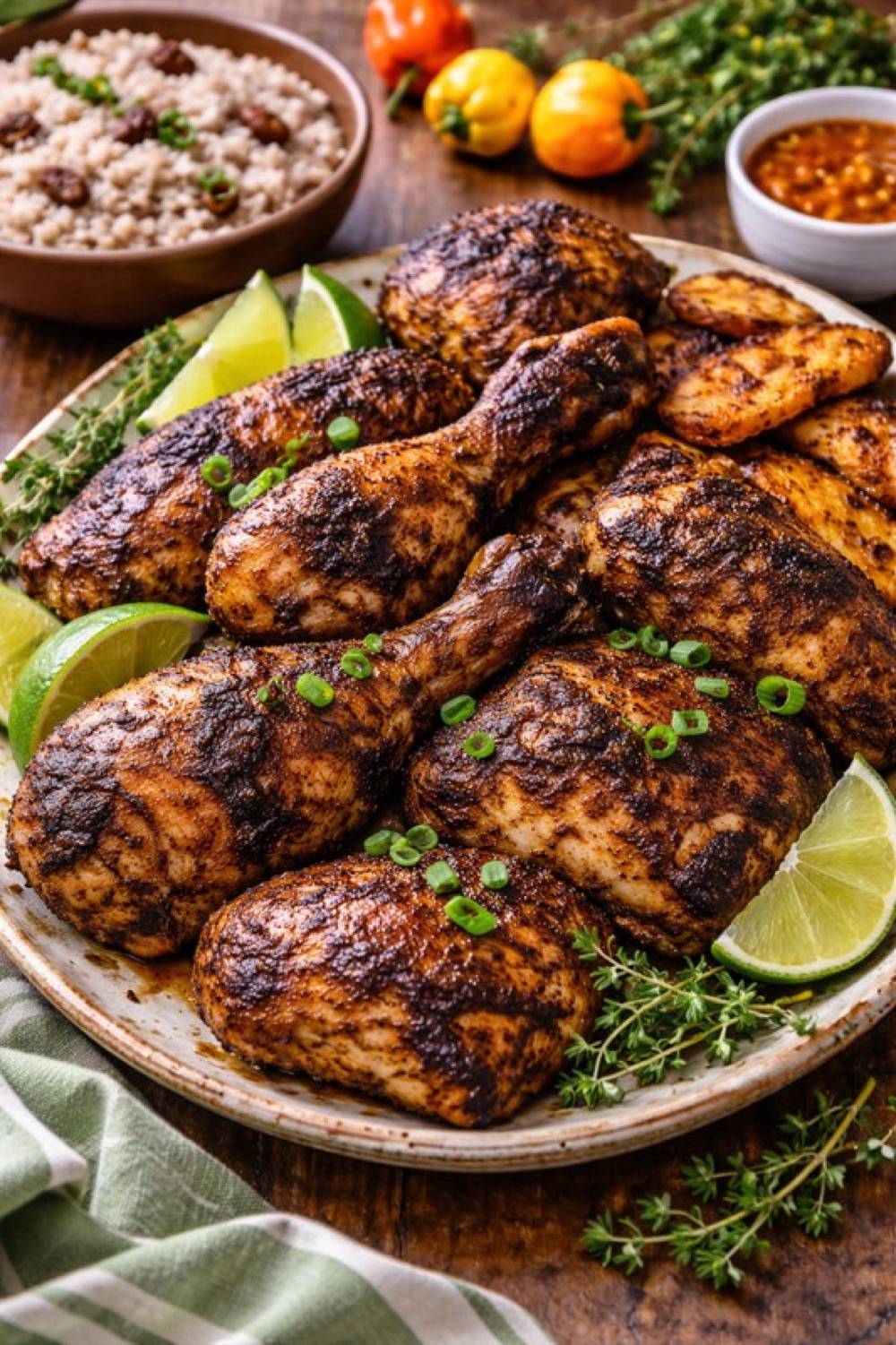
The Smoke Hits You First
The first thing you notice is the smoke. Not regular grill smoke. This smoke is different. It carries allspice, scotch bonnet pepper (one of the hottest peppers in the Caribbean), and something almost sweet from the wood. If you grew up eating real jerk, your mouth is already watering before you see the grill.
Jerk chicken is the most famous Jamaican dish in the world. It is also one of the most misunderstood. What most restaurants call jerk is baked chicken with seasoning on top. Real jerk is something else entirely. The difference is in the method, the wood, and hundreds of years of tradition.
Where Jerk Came From
The story of jerk begins in Jamaica's Blue Mountains during the 17th and 18th centuries. The Maroons, communities of escaped enslaved Africans, survived in the rugged mountain interior. They developed the jerk method as a way to preserve and cook meat in the wild.
The Maroons seasoned wild boar with local spices. They slow-cooked the meat over green pimento (allspice) wood in covered pits. The smoke preserved the meat and infused it with a flavor that nothing else could replicate. This was survival cooking that became a cultural treasure.
Pork was the original jerk meat. Chicken came later as the technique spread across the island. Today, jerk chicken is the more popular version worldwide. But in Jamaica, jerk pork still holds deep respect.
The Essential Spice Blend
Real jerk seasoning is not one ingredient. It is a combination that works together. Every element plays a role.
Scotch bonnet peppers provide the heat. These small, lantern-shaped peppers are fruity and fiery. They bring a sweetness alongside the burn that other hot peppers cannot match. There is no substitute for scotch bonnet in authentic jerk.
Allspice (pimento) is the backbone. This dried berry tastes like cinnamon, nutmeg, and clove combined. It gives jerk its warm, aromatic depth. Allspice is native to Jamaica and grows across the island.
Fresh thyme adds an earthy, herbal layer. Jamaican thyme is slightly different from European thyme. It is more aromatic and pairs perfectly with the allspice.
Garlic, ginger, and green onions build the savory foundation. Together with soy sauce, brown sugar, and lime juice, they create a marinade that penetrates the meat for hours.
The balance matters more than any single ingredient. Too much scotch bonnet and you taste only heat. Too much allspice and the chicken becomes perfumy. A good jerk cook knows the ratio by feel.
Why Pimento Wood Changes Everything
This is the part most restaurants skip. Real jerk is grilled over pimento wood. The wood releases aromatic oils as it burns. Those oils infuse the meat with a flavor that charcoal alone cannot produce.
Pimento wood creates a smoke that is sweet, spicy, and complex. It is the single biggest difference between real jerk and grilled chicken with jerk seasoning. Some restaurants in the US source pimento wood or pimento wood chips for their grills. Those are the spots worth finding.
If the chicken came out of an oven, it is not jerk. If it was grilled over plain charcoal with no pimento wood, it is closer but still not the real thing. The wood is not optional. It is essential.
How to Identify Real Jerk
You do not need to be Jamaican to spot the difference. Here are four things to check.
Look for smoke. Real jerk chicken should have visible char and a smoky aroma. If it looks like it came from a standard oven, it probably did. Ask if they grill over wood or charcoal.
Check the color. Authentic jerk chicken has a dark, caramelized exterior with some blackened edges. The inside should be juicy and well-seasoned all the way through. If the seasoning sits only on the surface, the chicken was not marinated long enough.
Taste the layers. The first bite should deliver smoke. Then warmth from the allspice. Then the heat from the scotch bonnet builds gradually. Real jerk has depth. It does not just burn your mouth. It unfolds.
Ask about the method. Good restaurants are proud of how they make their jerk. Ask if they use pimento wood. Ask how long they marinate. A place that does it right will be happy to tell you.
Common Mistakes People Make
Calling any spicy grilled chicken "jerk." Jerk is a specific method, not just a flavor. Without the proper seasoning, marination time, and smoking technique, it is not jerk.
Using the wrong peppers. Habaneros are close to scotch bonnet in heat, but the flavor profile is different. Jalapenos are not even in the same category. Scotch bonnet gives jerk its signature fruity heat.
Skipping the marination. Real jerk chicken marinates for a minimum of several hours. Many traditional cooks marinate overnight. The seasoning needs time to penetrate the meat fully. A quick rub before grilling will not produce real jerk flavor.
Overcooking on high heat. Jerk is not fast food. It cooks slowly over moderate heat and smoke. Rushing the process with high flames burns the outside before the inside is done. Low, slow, and smoky is the only way.
Frequently Asked Questions
What makes jerk chicken authentic? Authentic jerk chicken requires a marinade built on scotch bonnet peppers, allspice, and fresh thyme. It must be grilled slowly over pimento wood or charcoal. The method, not just the seasoning, is what defines real jerk.
Where did jerk chicken originate? Jerk cooking originated with the Maroons in Jamaica's Blue Mountains during the 17th and 18th centuries. The Maroons were communities of escaped enslaved Africans who developed the technique to preserve and cook meat in the mountain wilderness.
Why is pimento wood important for jerk? Pimento wood releases aromatic oils when burned that infuse the meat with a sweet, spicy smoke. This flavor cannot be replicated with plain charcoal or gas grilling. The wood is what separates real jerk from seasoned grilled chicken.
Is jerk chicken supposed to be very spicy? Real jerk chicken is spicy, but the heat should be balanced with smoke and aromatic warmth from allspice and thyme. The scotch bonnet heat builds gradually. It should not just burn. It should have depth and flavor behind the spice.
How can I tell if a restaurant makes real jerk? Look for visible smoke and charcoal grilling. Check for a dark, caramelized exterior on the chicken. Taste for layered flavor, not just heat. Ask the restaurant if they use pimento wood and how long they marinate. Restaurants that do it right are proud to explain their process.
Want to find restaurants that serve real jerk? Search your city on JamaicanFoodFinder.com and look for spots that grill over wood and charcoal. The real thing is out there.